
Estate administration
Managing Personal Effects and Chattels in Estate Administration
Handling personal effects and chattels is one of the most practical responsibilities an executor faces during estate administration. This guide explains how to secure, value, and distribute personal belongings in accordance with UK probate guidance.
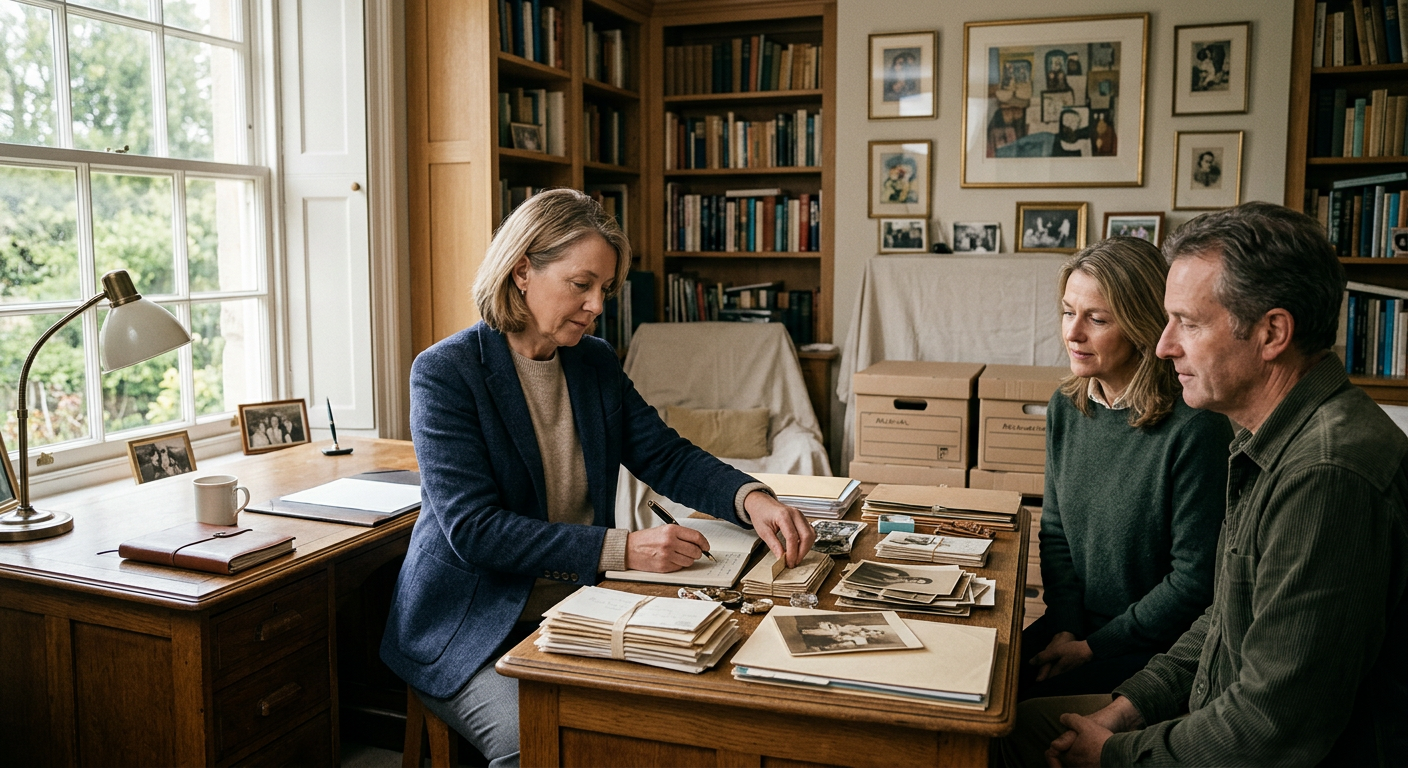
Administering an estate involves far more than closing bank accounts and settling mortgages. For many personal representatives, the most time-consuming and emotionally delicate task is managing the deceased’s physical belongings. Known legally as personal chattels, these items range from everyday household furniture and clothing to high-value artwork, jewellery, and motor vehicles.
Executors and administrators hold a strict duty to safeguard, correctly value, and distribute these assets in accordance with the terms of the will or the rules of intestacy. Clear processes, meticulous record-keeping, and open communication with beneficiaries are essential to ensure the estate is administered correctly and to prevent misunderstandings.
What Are Personal Chattels in UK Probate?
In UK estate administration, personal chattels broadly comprise tangible movable property. Under section 55(1)(x) of the Administration of Estates Act 1925 (as updated by the Inheritance and Trustees' Powers Act 2014), personal chattels include carriage, horses, stable furniture and effects, motor cars and accessories, garden effects, domestic animals, plate, plated articles, linen, china, glass, books, pictures, prints, furniture, jewellery, articles of household or personal use or ornament, musical and scientific instruments and apparatus, wines, liquors and consumable stores.
Items excluded from the definition of chattels include money, securities for money, and assets used solely or mainly for business purposes at the time of death. Understanding this distinction is vital, as wills frequently treat personal chattels differently from cash or financial investments.
Securing and Safeguarding Personal Effects Early On
One of the executor’s immediate obligations upon taking up administration is to secure the deceased person’s property and physical assets. Before formal probate is granted, personal effects remain vulnerable to loss, damage, or unauthorized removal.
Executors should take the following steps promptly:
- **Secure the property:** Ensure all doors, windows, and outbuildings are properly locked. If necessary, change the locks, particularly if multiple third parties had access to keys.
- **Notify insurers:** Contact the insurer providing home contents insurance to inform them of the death. Most policies impose specific conditions once a property becomes unoccupied, such as requiring regular inspections or turning off water supplies during winter months.
- **Create an inventory:** Conduct a detailed walk-through of the property to log notable items. Photographing rooms and individual items of value creates an objective record of the estate contents at the date of death.
- **Store high-value items safely:** Items of significant monetary value, such as fine jewellery, rare watches, or portable artwork, should be removed to safe storage or a secure facility until valuation and distribution occur.
Allowing family members or friends to collect personal items before a full inventory and valuation are completed can lead to complications, particularly if the total estate value later requires Inheritance Tax reporting or if debt claims arise.
Valuing Personal Belongings for Probate and Tax Purposes
Official guidance requires executors to estimate the open market value of all personal belongings at the date of death. Open market value reflects what an item would reasonably achieve if sold between a willing buyer and a willing seller in its current condition on the open market—not its original purchase price or replacement cost for insurance.
For general household contents, a realistic realistic estimate based on second-hand values (such as what items might fetch at auction or a local sale) is usually accepted. However, higher-value items require careful treatment:
- **General household contents:** Can often be assessed collectively unless individual items hold independent commercial value.
- **Individual items over £1,500:** Published tax guidance specifies that individual items of personal belongings worth more than £1,500 should be separately identified on Inheritance Tax forms if required.
- **Professional valuations:** Antique furniture, fine art, rare collections, and valuable jewellery should be formally valued by a qualified professional valuer or auctioneer. This provides defensible documentation should HM Revenue & Customs (HMRC) query the valuation.
Accurate valuations protect executors from underreporting estate values for tax purposes or under-distributing to residuary beneficiaries.
Distributing Chattels: Specific Legacies vs. Residuary Estate
Once assets are inventoried and valued, executors must reference the will to determine how chattels should be distributed.
Specific Bequests in the Will If the will leaves specific items to named individuals (for example, "my gold watch to my nephew"), the executor must ensure those specific items are transferred directly to the designated beneficiary. Specific legacies generally take precedence over general distributions.
Informal Letters of Wishes Testators often write a side letter or memorandum of wishes outlining who should receive particular personal tokens. While these documents offer valuable practical guidance and reflect the deceased's personal intentions, they are usually non-binding legally unless incorporated directly into the text of the will. Executors should act reasonably and consult beneficiaries when navigating these requests.
Residuary Bequests and Intestacy If the will does not make specific gifts of chattels, or if there is no valid will, personal effects form part of the residuary estate or fall under the rules of intestacy. In these situations, executors may:
- Transfer specific chattels to beneficiaries as part of their overall monetary entitlement (by mutual agreement and based on date-of-death valuations).
- Sell the chattels and add the net cash proceeds to the residuary fund for division.
Managing Disputes and Sensitive Decisions
Personal effects frequently carry intense sentimental value, which can lead to disagreement among family members even over items of low monetary value. Executors can help maintain harmony by adhering to structured, transparent methods:
1. **Provide clear inventories:** Share the inventory and valuation list with key beneficiaries early in the process. 2. **Agree allocation methods:** Where multiple beneficiaries have equal entitlement to non-specific items, practical allocation systems—such as taking turns to select items or drawing lots—can provide a fair resolution. 3. **Set clear timelines:** Give beneficiaries reasonable notice to express interest in specific unallocated items before arrangements for sale or clearance begin.
Maintaining complete written records of all decisions and beneficiary consents helps protect executors if questions are raised later.
House Clearance and Realising Estate Assets
After specific gifts and agreed allocations have been made, remaining household contents must usually be cleared so the property can be sold, transferred, or returned to a landlord.
- **Sale via auction or private sale:** Items of modest value can be placed with reputable local auction houses. Net proceeds must be deposited directly into the designated executor bank account.
- **Donation to charity:** Items with negligible resale value but suitable utility may be donated to charitable organisations, provided the estate accounts record these disposals accurately.
- **Clearance and disposal:** Professional clearance services can clear remaining unsaleable items. Clearance costs incurred to prepare a property for sale are legitimate estate administrative expenses.
How Prudential Probate Services Can Help
Navigating the practical duties of estate administration alongside legal and financial responsibilities can feel demanding. At Prudential Probate Services, we provide practical, transparent support tailored to your requirements, ensuring all assets and chattels are properly accounted for.
Our pricing options are clear and accessible: * **Probate application:** from £499 * **Full estate administration:** tailored fixed fee following assessment * **Complex estates:** individual quotation
*Final fee depends on the circumstances of the estate.*
If you require professional support with estate administration or guidance on your executor responsibilities, contact our team today for an initial discussion.
Frequently asked questions
What is the legal definition of chattels in probate?
Personal chattels comprise movable personal property owned by the deceased, including items such as furniture, cars, jewellery, artwork, books, and household goods, excluding money, investments, or assets used solely for business.
How should household contents be valued for probate?
Household contents must be valued at open market value at the date of death, representing what items would fetch at public sale or auction in their present condition, rather than their original purchase cost or replacement value.
Do I need a professional valuation for personal belongings?
A professional valuation is recommended for high-value items such as fine art, antiques, or valuable jewellery. Published guidance indicates that individual items worth over £1,500 should be separately identified on Inheritance Tax forms if reporting is required.
Can beneficiaries take personal items before probate is granted?
Beneficiaries should not remove personal items until the executor has formally inventoried and valued them. Premature removal can complicate estate accounting, valuation accuracy, and tax compliance.
Sources
- GOV.UK — Personal belongings must be valued at open market value, which is what they would reasonably fetch on the open market at the date of death. (checked 2026-11-06)
- GOV.UK — Executors must report the total value of personal belongings as part of the overall estate valuation for probate. (checked 2026-11-06)
- GOV.UK — Individual items of personal belongings worth more than £1,500 should be separately identified on Inheritance Tax forms if required. (checked 2026-11-06)
- GOV.UK — Executors are responsible for securing, valuing, and distributing estate assets according to the will or rules of intestacy. (checked 2026-11-06)
Speak to a probate specialist
A named contact will talk you through the next step.